May 13, 2026
HVAC systems are crucial in maintaining comfortable living and working conditions by regulating temperature and airflow. These systems ensure that homes and businesses remain insulated from adverse weather conditions. However, like any other complex machinery, these systems require regular maintenance and prompt HVAC repairs to operate efficiently. Ignoring the maintenance needs of your HVAC system can lead to a decline in performance and increased energy consumption. Timely HVAC repairs not only prevent costly replacements but also contribute to sustainability by reducing unnecessary energy usage.
The significance of recognizing the early signs of HVAC issues cannot be overstated. When ignored, minor issues can escalate into major problems, leading to system failures and expensive repairs. According to Gitnux, 80% of HVAC failures are caused by dust and dirt due to lack of maintenance. Addressing these warning signs early can save you time and money in the long run. This article explores common signs that indicate your system needs immediate attention and HVAC repairs.
1. Unusual Noises
1.1 Banging or Clanking
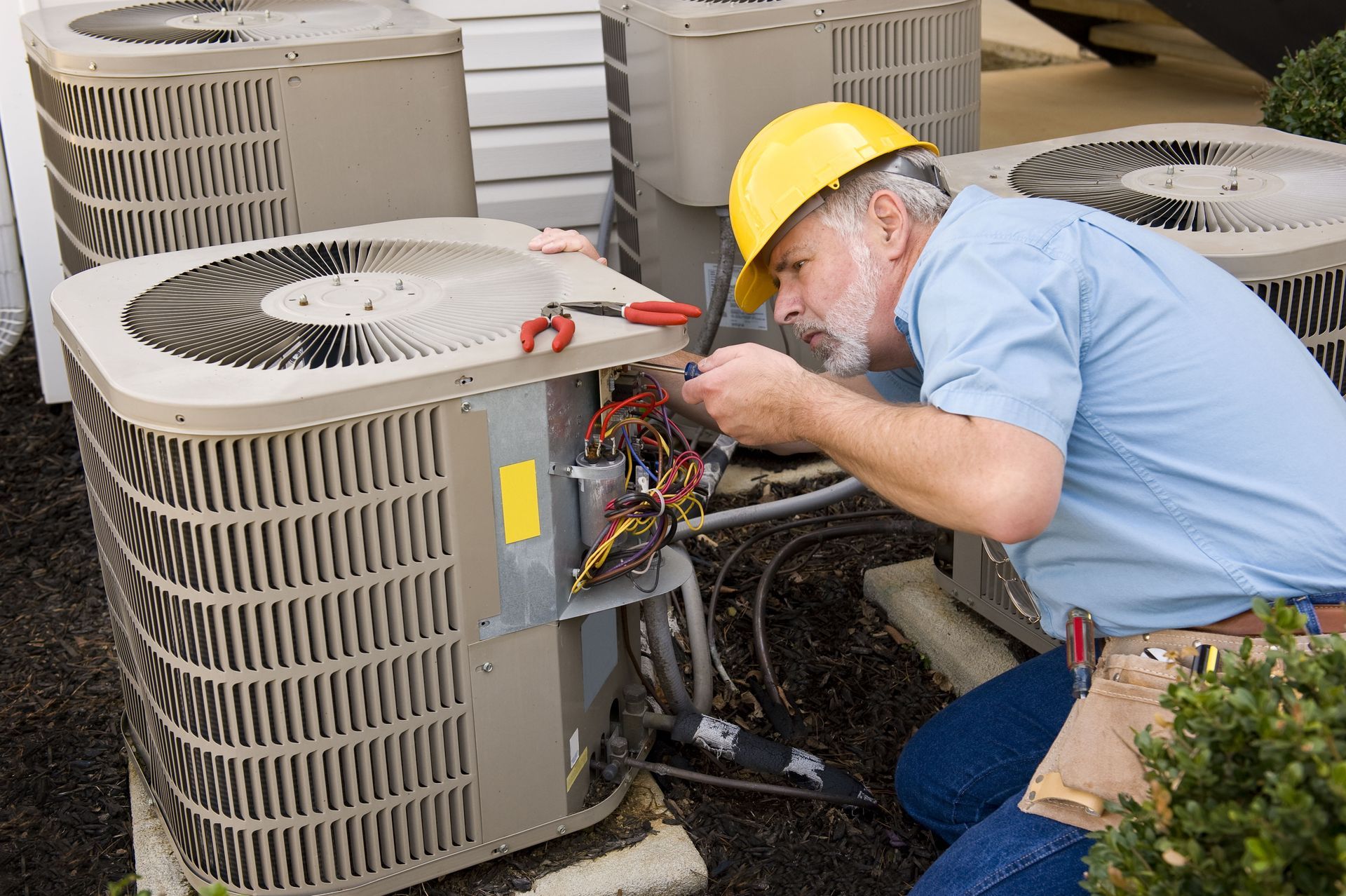
Banging or clanking noises from your HVAC system often indicate that there is a loose or broken part. These sounds can result from debris caught in the blower blades, or misaligned ductwork. The clanking can also stem from the compressor, a sign that it may be on the verge of breakdown. Immediate diagnosis and HVAC repairs can prevent further damage. Ignoring these sounds can lead to larger, more expensive problems later on.
1.2 Squealing or Screeching
A high-pitched squealing or screeching sound usually points towards issues with the blower motor or fan belt. This might mean the belt is worn out or misaligned, or the motor bearings need lubrication. Left unchecked, the belt can break, causing the system to stop functioning effectively. Timely replacement of worn belts can ensure that the system runs smoothly. Regular tune-ups can prevent these issues by maintaining parts in good condition.
1.3 Rattling Sounds
Rattling noises often signify loose screws or panels in the HVAC unit. This can also occur if debris has entered the system, leading to operational inefficiencies. It's crucial to address these issues even if the noise seems minor. Maintaining a tightly sealed system can prevent energy loss and maintain system integrity. Regular inspections can identify these problems early, preventing them from escalating.
1.4 Grinding Noises
Grinding noises typically signal serious mechanical problems needing immediate attention. These noises can mean worn-out bearings or a failing motor, both of which require professional intervention. Operating the system while these components are failing can result in total system breakdowns. Quick attention can restore functionality and prevent the need for a full-system replacement. Such noises highlight the importance of routine professional maintenance.
2. Inconsistent Temperatures
2.1 Cold Spots
Cold spots in various rooms can be indicative of several problems within the HVAC system. It might point towards issues such as blocked vents or ducts, improper insulation, or faulty thermostats. In such cases, ensuring all vents are open and unobstructed can help improve temperature consistency. Additional insulation might be needed in certain areas to maintain even heating. Regularly checking thermostats for accuracy is also crucial in ensuring even temperatures.
2.2 Hot Air Blowing from Vents
If your HVAC system is blowing hot air, it may indicate problems with the compressor or a low refrigerant level. This contrasts with the system's primary function of cooling and can lead to discomfort. Examination of the condenser unit and refrigerant levels is advised in these situations. It might necessitate professional HVAC repairs to resolve mechanical or refrigerant issues. Regular maintenance can prevent occurrences by ensuring component functionality and proper refrigerant levels.
2.3 Short Cycling
Short cycling, where the system frequently turns on and off, disrupts consistent temperature regulation and can significantly raise energy bills. Dirty filters, thermostat malfunctions, or overheating components can cause this issue. Addressing the cause of short cycling is necessary to restore efficiency and system longevity. Simple fixes like changing the air filter or recalibrating the thermostat might resolve the issue. Prolonging the life of your HVAC system begins with maintaining stable operational cycles.
2.4 Low Airflow
Low airflow through the vents can be a sign of a failing compressor or blocked ducts. Insufficient airflow burdens the system and can decrease overall efficiency. It can also signal filter-related issues, with dust and dirt build-up being a common cause. Periodically changing air filters can resolve airflow problems. Ensuring ducts are clean and unobstructed will support consistent and effective airflow.
3. Bad Odors
3.1 Musty Smells
Musty odors emitting from the HVAC system typically signal mold growth within the ducts or components. Mold thrives in environments with moisture and poor ventilation, causing potential health issues. Ensuring proper ventilation and humidity control can prevent mold growth. Keeping ducts clean and performing regular inspections will maintain air quality. Addressing mold issues swiftly is crucial for both system effectiveness and occupant health.
3.2 Burning Odors
A burning smell could indicate wiring or electrical problems within the HVAC system, posing a fire risk. It's critical to switch off the system and seek professional assistance immediately. Motors potentially overheated or other electrical components might be malfunctioning, requiring timely intervention. Regular electrical inspections can prevent such occurrences. Prioritizing electrical safety ensures continued system reliability.
3.3 Sulfur or Rotten Egg Scent
A sulfur or rotten egg smell is often associated with a natural gas leak, demanding immediate attention. If this scent is detected, evacuate the area and contact gas professionals and emergency services. This odor is added to gas for safety purposes to alert inhabitants of potential leaks. Regularly checking gas connections and components can prevent such dangerous situations. Proactive safety measures protect both occupants and the system's integrity.
3.4 Electrical Smell
An electrical smell might indicate overheating components within the HVAC system. Faulty wiring or components can cause this and require immediate HVAC repairs to prevent damage or fire. Electrical inspections should be part of routine maintenance to identify potential risks before they become severe. Quick response to electrical odors ensures system safety and effectiveness. Regular maintenance checks are preventative measures against electrical malfunctions.
4. Increased Energy Bills
4.1 Inefficiency in Energy Consumption
A sudden increase in energy bills often indicates that the HVAC system is working harder than necessary. This can result from issues such as clogged filters, dirty coils, or a failing compressor. Regular inspections and cleanings can ensure the system operates efficiently.
4.2 Regular Maintenance Versus Unexpected Spikes
Regular maintenance can prevent unexpected spikes in energy usage by maintaining the system's efficiency. When energy bills rise unexpectedly, it may be a sign of needed HVAC repairs or component replacement. Establishing a maintenance schedule can reduce the likelihood of such spikes. Routine checks identify inefficiencies and potential issues that can affect energy consumption. Proactive attention can avoid surprise costs and maintain system efficiency.
4.3 Insufficient Home Insulation
Poor home insulation can lead to increased energy bills as HVAC systems work harder to regulate temperature. Identifying and insulating trouble areas in your home can reduce system strain and improve efficiency. Proper insulation complements HVAC effectiveness, allowing systems to maintain comfort without excessive energy use. Regular building evaluations can improve insulation over time. Optimized insulation and HVAC performance work hand-in-hand for energy conservation.
4.4 Impact of Aging Systems
Aging HVAC systems can inherently lose efficiency and increase energy usage over time. Systems older than 10 to 15 years might require more frequent HVAC repairs and incur heightened operating costs. Investing in newer, more efficient models can result in long-term savings on energy bills. Evaluation of system performance and cost benefits aids in decisions about replacement versus repair. Keeping systems updated supports sustainable energy practices.
Recognizing the early signs of system problems ensures timely HVAC repairs, which is crucial for maintaining efficiency and extending the system's lifespan. Proactive measures prevent minor issues from escalating into costly repairs or replacements. Routine maintenance, as underlined by the 80% failure rate due to dust and dirt, is essential for optimal system performance. Maintaining components in good condition aids both efficiency and energy conservation. If you're looking for HVAC repairs, contact Reynolds Electric Heating & Air Conditioning Service, LLC today.