November 13, 2026
Maintaining reliable climate control with an HVAC service represents a cornerstone of domestic comfort, preserving indoor air quality and stabilizing household temperatures throughout seasonal weather extremes. Over time, sophisticated heating and cooling components experience mechanical friction, electrical wear, and structural degradation that compromise overall efficiency. Many property owners dismiss subtle performance fluctuations, assuming minor rattles or lukewarm breezes resolve spontaneously without intervention. Unfortunately, ignoring early indicators of mechanical distress accelerates component failure, elevating repair expenditures and leaving families stranded during temperature spikes. Scheduling timely HVAC service restores operational balance, preserves equipment longevity, and safeguards peace of mind before catastrophic breakdowns disrupt daily living routines.
1. Detecting Unfamiliar Grinding or Squealing Sounds
Modern heating and cooling installations operate with remarkable quietness, producing little beyond a gentle whoosh of air through supply registers. When mechanical units suddenly produce shrill metallic shrieking, rhythmic clanking, or harsh buzzing, internal components require immediate diagnostic examination. Squealing noises frequently indicate frayed blower motor belts or failing motor bearings, whereas violent clattering suggests loosened fan blades striking housing compartments. Ignoring these ominous auditory warnings allows compromised hardware to fracture completely, causing severe damage to delicate machinery. Engaging licensed technicians to disassemble the blower assembly and replace fatigued bearings eliminates friction hazards, quietens operation, and protects vital mechanical investments.
2. Recognizing Persistent Temperature Discrepancies Across Household Rooms
Walking from a frigid kitchen into a sweltering bedroom illustrates severe systemic imbalances within residential climate distribution. While minor variations occur between upper and lower levels, persistent thermal disparities point toward compromised ductwork, failing zone dampers, or an improperly sized central system. Concealed duct runs traversing attics and crawlspaces often develop separated joints, crushed flex lines, or substantial insulation tears that bleed conditioned air before reaching distant living areas. Furthermore, aging compressors struggle to generate adequate thermal output, leaving perimeter zones underserved. Measuring static duct pressure and balancing distribution restores uniform comfort across every room.
3. Identifying Weakened Airflow Circulating Through Supply Vents
Placing a hand over interior supply registers should produce a distinct, steady draft of conditioned air circulating throughout living quarters. If air emerges as a sluggish trickle despite active blower operation, significant mechanical blockages or electrical failures compromise the system. Severely congested pleated air filters, failing blower capacitors, and dust-laden evaporator coils choke airflow volume, forcing the blower motor to labor against elevated static resistance. Enlisting prompt HVAC service identifies whether slipping fan belts, obstructed duct runs, or failing variable-speed blowers throttle air delivery, restoring strong indoor circulation and protecting motors against premature thermal burnout.
4. Observing Unexplained Spikes on Monthly Energy Statements
Receiving an unexpectedly high utility bill without an accompanying shift in household consumption habits provides unmistakable evidence of internal mechanical inefficiency. As electrical contactors corrode, compressor valves wear out, and heat exchangers collect insulating grime, equipment draws significantly more electricity to achieve desired thermostat settings. A system operating at degraded capacity runs prolonged cycles, driving power meters continuously while delivering diminished thermal performance. Having technicians clean condensing fins, lubricate dry bearings, and calibrate electrical draw aligns operational power with original factory specifications, lowering monthly utility expenditures and relieving continuous strain on components.
5. Smelling Pungent Burning or Musty Odors From Ductwork
Unpleasant aromas emanating from supply vents provide an immediate sensory warning that dangerous conditions exist within the air distribution network. Pungent, burning smells reminiscent of singed plastic indicate overheating blower motors, melting wire insulation, or stuck electrical relays, and require immediate deactivation to prevent residential fire hazards. Conversely, stale, damp odors suggest bacterial colonies and mold growth flourishing inside condensation drain pans or dark, humid duct branches. An HVAC service inspects internal wiring harnesses, cleans contaminated drip pans, and applies antimicrobial treatments to supply plenums, eliminating airborne health hazards and reestablishing fresh indoor air.
6. Dealing With Constant Short-Cycling During Routine Operation
Heating and cooling systems should operate in predictable ten-to-twenty-minute cycles to circulate air evenly and dehumidify interior living spaces thoroughly. When equipment activates, runs for only two minutes, and abruptly shuts down before restarting moments later, the unit experiences harmful short-cycling. This rapid cycling frequently stems from severely oversized equipment, malfunctioning flame sensors, clogged air filters, or overheating heat exchangers triggering high-limit safety switches. Calling a technician for HVAC service resolves rapid cycling before the tremendous electrical draw of continuous motor restarts burns out expensive compressor windings and drives up energy costs.
7. Noticing Excessive Humidity and Condensation on Window Panes
Effective summer air conditioning removes ambient moisture alongside thermal heat, keeping indoor relative humidity levels between thirty and fifty percent. If indoor air feels clammy, sticky, or tropical, or if condensation beads continuously along interior window glazing, the cooling unit cannot properly condense moisture. Frozen evaporator coils, dirty fin surfaces, and oversized equipment that cools air too rapidly without adequate runtime leave moisture suspended inside household rooms. Uncontrolled humidity encourages dust mite proliferation, promotes mildew on drywall, and damages wood flooring, making prompt professional moisture balancing necessary for domestic health.
8. Managing Frequent Thermostat Unresponsiveness and Temperature Drift
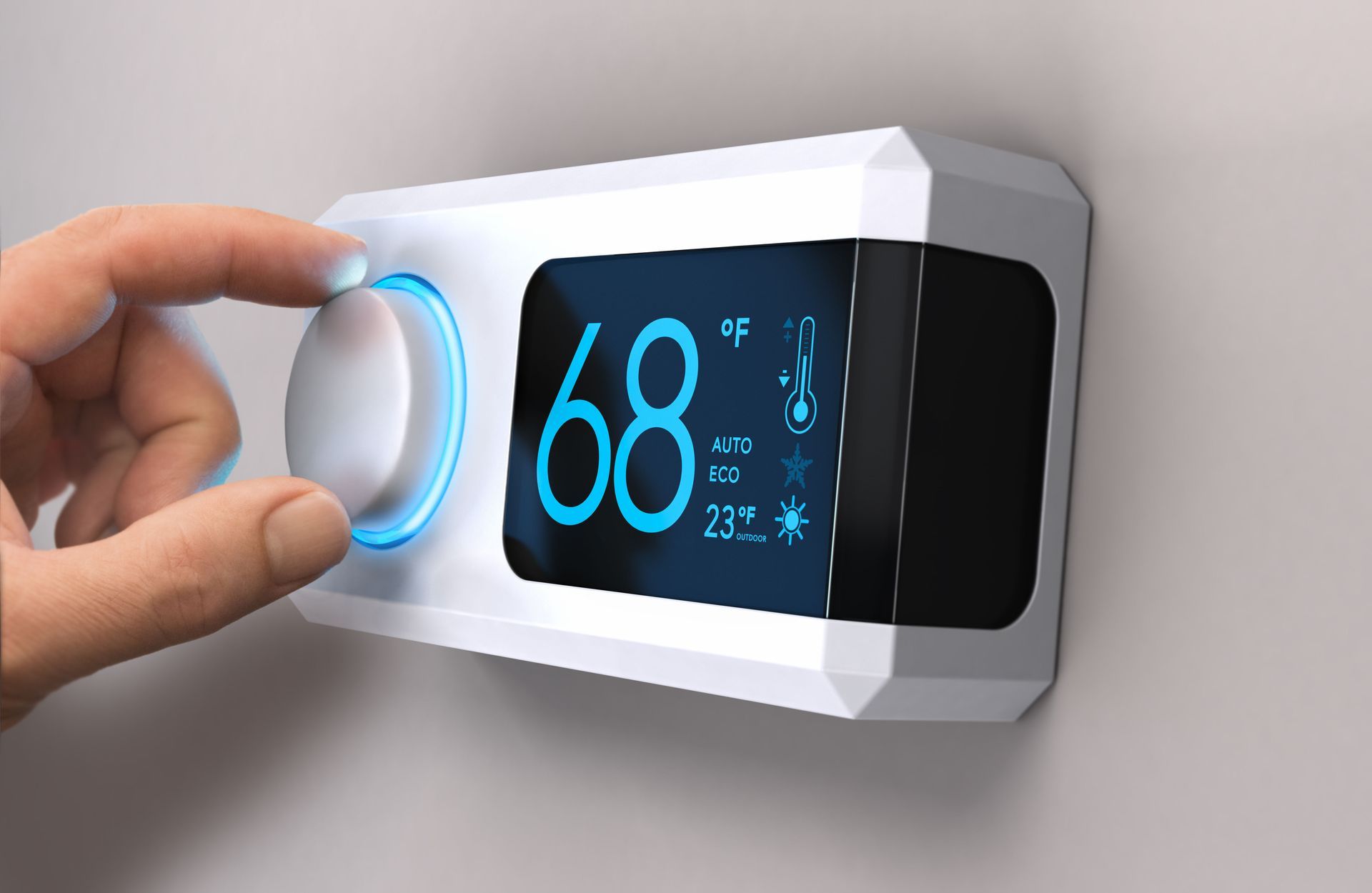
The wall thermostat functions as the central command brain of your heating and cooling system, regulating heating and cooling cycles accurately. When temperature displays read inaccurately, screen interfaces freeze, or the unit ignores manual setting adjustments, faulty low-voltage wiring or failing control boards disrupt communication. In addition, outdated mechanical units lose calibration over time, allowing ambient room temperatures to swing several degrees away from programmed targets before initiating a response. Professional calibration, firmware updates, or transitions to modern digital programmable controls restore seamless operational communication, ensuring equipment responds reliably to family schedules.
9. Discovering Refrigerant Moisture Pooling Near the Air Handler
Moisture collecting around indoor air handling units indicates immediate drainage failures that threaten surrounding drywall, subfloors, and basement framing. Air conditioning cycles extract gallons of moisture daily, relying on sloped PVC drain conduits to channel condensation away from the residence. When algae slime or mineral deposits obstruct the drain line, condensation overflows the internal drain pan, spilling water onto flooring and tripping safety float switches. Scheduling thorough HVAC service clears drain obstructions, treats condensate traps, and inspects evaporator coils for pinhole refrigerant leaks that cause condensation pans to ice over and flood.
10. Addressing Neglected Equipment Upkeep and Deferred Inspections
Many homeowners operate under the mistaken belief that climate equipment requires diagnostic attention only after mechanical components fail. According to Workyard, while nearly one in three homeowners worry about their HVAC system's condition, only 30% routinely schedule preventative maintenance. Neglecting annual inspections permits minor adjustments, such as loose electrical terminals or low refrigerant charges, to evolve into catastrophic component seizures during peak summer weather. Professional preventative care cleans internal assemblies, verifies safe combustion venting, and lubricates moving parts, identifying hidden mechanical fatigue before inconvenient and expensive breakdowns occur.
Maintaining an efficient domestic heating and cooling network requires attentive monitoring of operating sounds, airflow velocity, and ambient indoor air quality. Rather than waiting for complete component breakdown during freezing winter nights or sweltering summer afternoons, addressing subtle warning signs preserves equipment longevity and minimizes emergency repair bills. Professional technicians possess the diagnostic tools, electrical meters, and refrigeration certifications required to resolve complex mechanical faults safely and accurately. Investing in regular maintenance shields your home from unexpected disruptions, lowers utility expenses, and maintains healthy indoor environments, ensuring reliable comfort for your household across every season.
Are you seeking a professional HVAC service in the Texoma region, including Grayson, Collin, Fannin, and Cooke counties, and the surrounding areas? Reynolds Electric Heating & Air Conditioning Service, LLC has you covered! Contact us today to schedule your next service appointment.