October 9, 2026
Commercial businesses depend on reliable electrical systems to keep employees productive, equipment operational, and daily processes moving without unnecessary interruptions. From lighting and power distribution to refrigeration and climate control, electrical infrastructure supports many of the systems that businesses rely on throughout the day. When electrical problems occur, they can create safety concerns, equipment damage, operational delays, and unexpected expenses.
Working with qualified professionals can help businesses address these risks before they become more disruptive. Local electricians can inspect electrical components, identify potential hazards, and provide repairs or installations suited to the property's needs. Professional electrical service can also complement HVAC and refrigeration maintenance, particularly for businesses that rely on temperature-controlled environments, commercial kitchens, or other equipment that requires dependable power.
Supporting Reliable Electrical Systems
Inspecting Electrical Components
Routine electrical inspections can reveal conditions that may otherwise go unnoticed during normal business operations. Loose connections, damaged wiring, overloaded circuits, deteriorating components, and improperly installed equipment can create operational and safety concerns if they are left unaddressed. Local electricians can evaluate panels, wiring, outlets, switches, disconnects, and other components to determine whether they are functioning properly.
A professional inspection may also identify areas where an electrical system is struggling to accommodate a business's current demands. This is particularly important when a facility has added equipment, expanded its workspace, or changed how individual areas are used. Addressing these concerns early can help reduce the likelihood of unexpected failures and provide business owners with a clearer understanding of their property's electrical condition.
Preventing Circuit Overloads
Commercial properties often operate numerous pieces of equipment simultaneously, placing substantial demands on electrical circuits. Refrigeration equipment, cooking appliances, HVAC systems, computers, lighting, machinery, and other devices may all require power during the same operating period. If circuits are not appropriately configured for the connected load, excessive demand can contribute to overheating, nuisance breaker trips, equipment interruptions, or other electrical problems.
Local electricians can evaluate circuit capacity and determine whether equipment is receiving power through appropriately sized circuits. They can also identify extension cord usage, improper connections, or other practices that may create unnecessary electrical strain. Proper load management helps businesses maintain dependable equipment operation while reducing avoidable risks associated with overloaded electrical systems.
Maintaining Electrical Panels
Electrical panels serve as a central point for distributing power throughout a commercial property, making their condition an important part of overall electrical safety. Signs such as unusual heat, corrosion, damaged breakers, buzzing sounds, or repeated breaker trips can indicate that professional attention is needed.
Local electricians can inspect panels, connections, breakers, and related components to identify potential problems and determine whether repairs or replacements are appropriate. Businesses should also consider professional evaluation when installing major equipment that could significantly increase electrical demand. Maintaining the panel and distribution system can help ensure that new or existing equipment receives appropriate power while supporting more consistent operation throughout the facility.
Protecting Equipment and Business Operations
Supporting Commercial Refrigeration
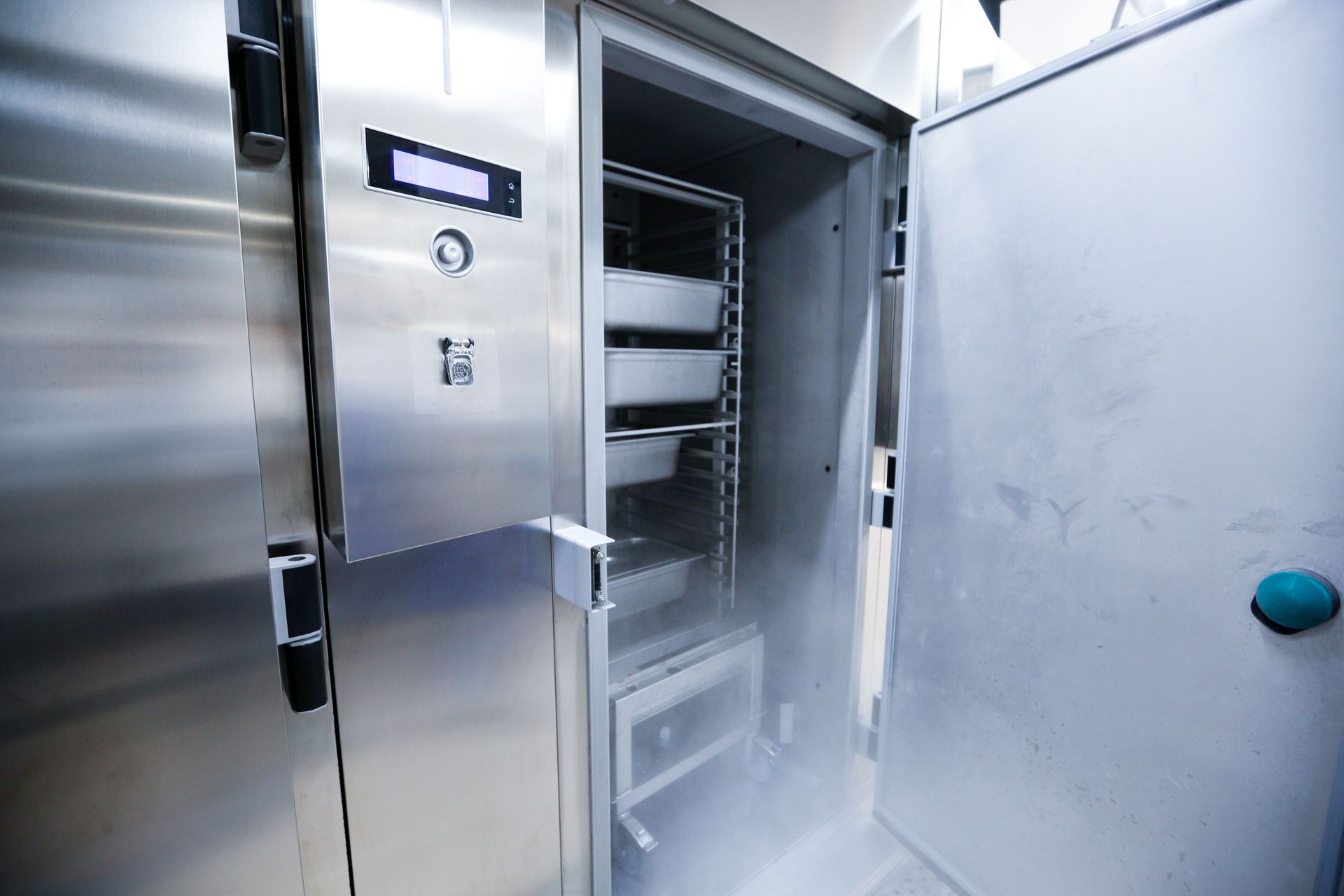
Commercial refrigeration systems require dependable electrical service to maintain appropriate operating conditions. Restaurants, grocery stores, convenience stores, healthcare facilities, and other businesses may depend on coolers, freezers, ice machines, prep tables, and other refrigeration equipment every day. According to the USDA Food Safety and Inspection Service, commercial refrigerators should be maintained at an internal temperature of 40°F or lower to help ensure food safety.
Local electricians can help address electrical issues affecting refrigeration equipment, including faulty connections, circuit problems, disconnects, and power interruptions. Coordinating electrical service with refrigeration maintenance can also help businesses respond more effectively when equipment begins showing signs of trouble, reducing the possibility that an electrical issue will contribute to a larger operational disruption.
Reducing Unexpected Equipment Failures
Electrical problems can affect far more than lighting and outlets. Motors, compressors, control components, pumps, fans, and other commercial equipment can experience operational issues when their electrical supply is unstable or improperly configured. Businesses may notice symptoms such as repeated shutdowns, unusual noises, inconsistent operation, or equipment that trips a breaker without an obvious explanation.
Local electricians can investigate the electrical side of these problems and determine whether wiring, connections, breakers, or other components are contributing to the issue. Prompt attention can help businesses avoid allowing a relatively contained electrical problem to interfere with multiple systems or cause extended downtime. Professional diagnosis also helps ensure that repairs address the underlying issue rather than relying on temporary workarounds.
Coordinating Electrical and HVAC Needs
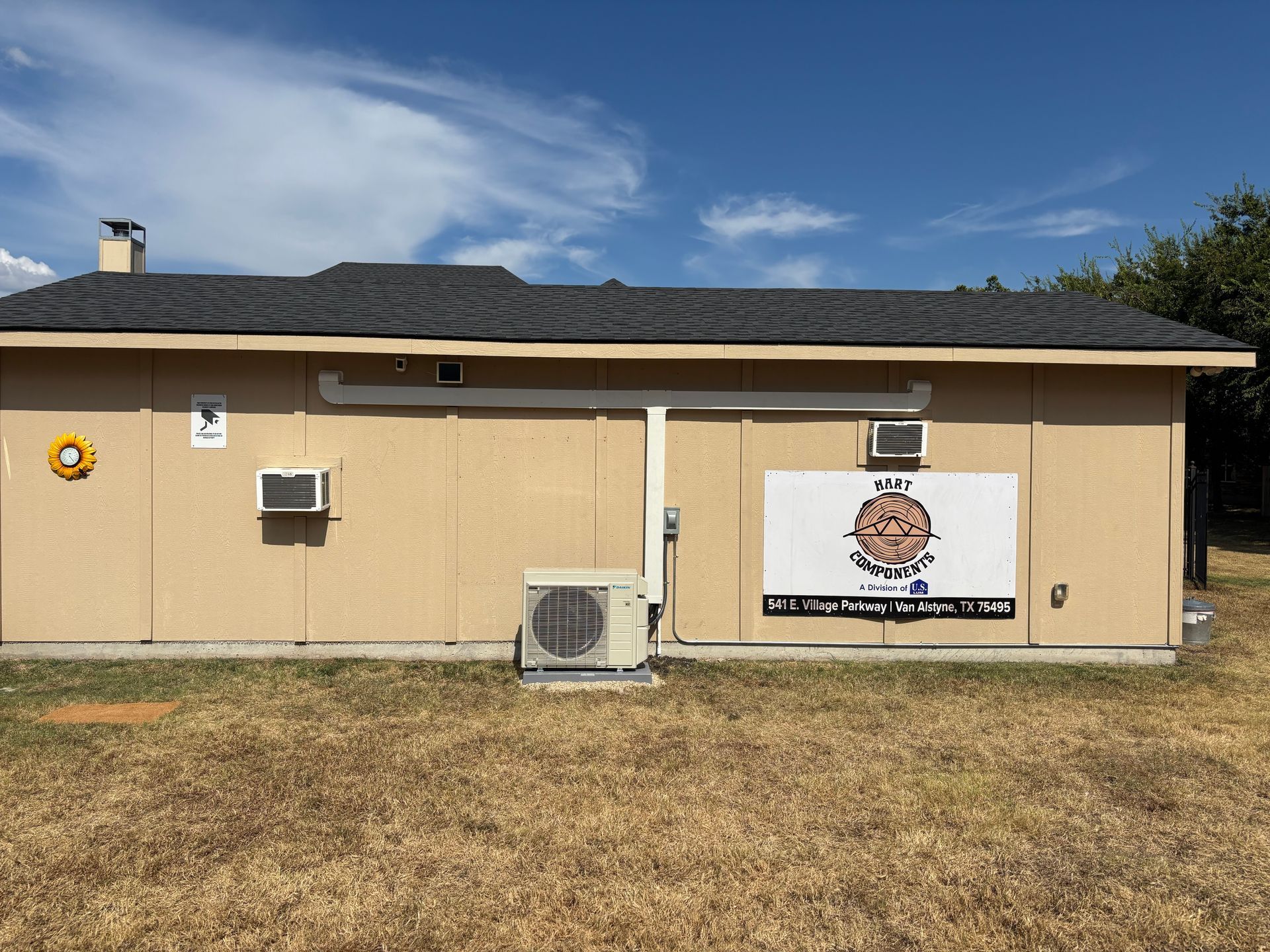
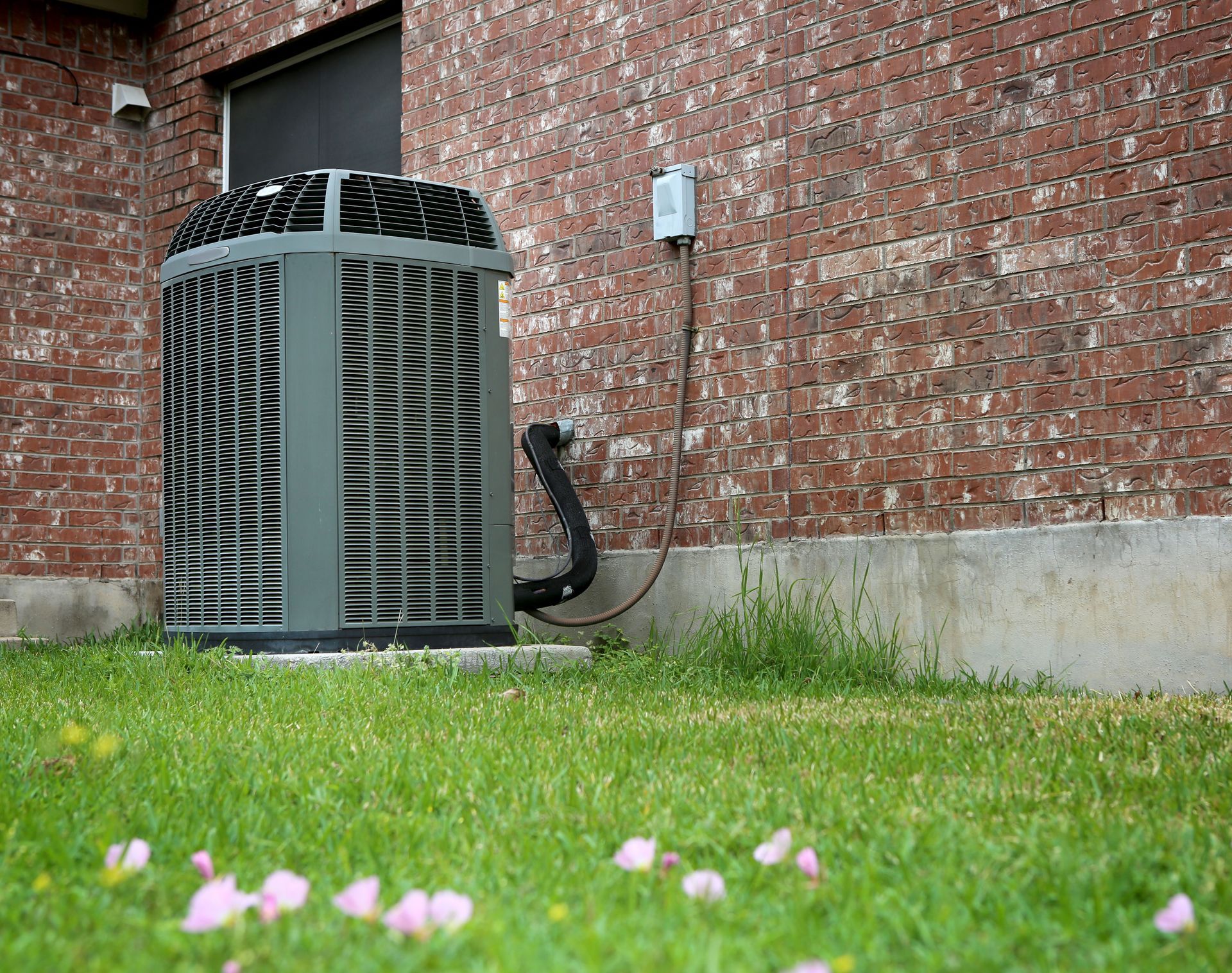
Electrical and HVAC systems often work closely together in commercial environments, particularly when a property relies on large air conditioning systems, chillers, refrigeration equipment, or other mechanical systems. A commercial HVAC or refrigeration problem can sometimes involve an electrical component, while an electrical issue can prevent otherwise functional equipment from operating properly.
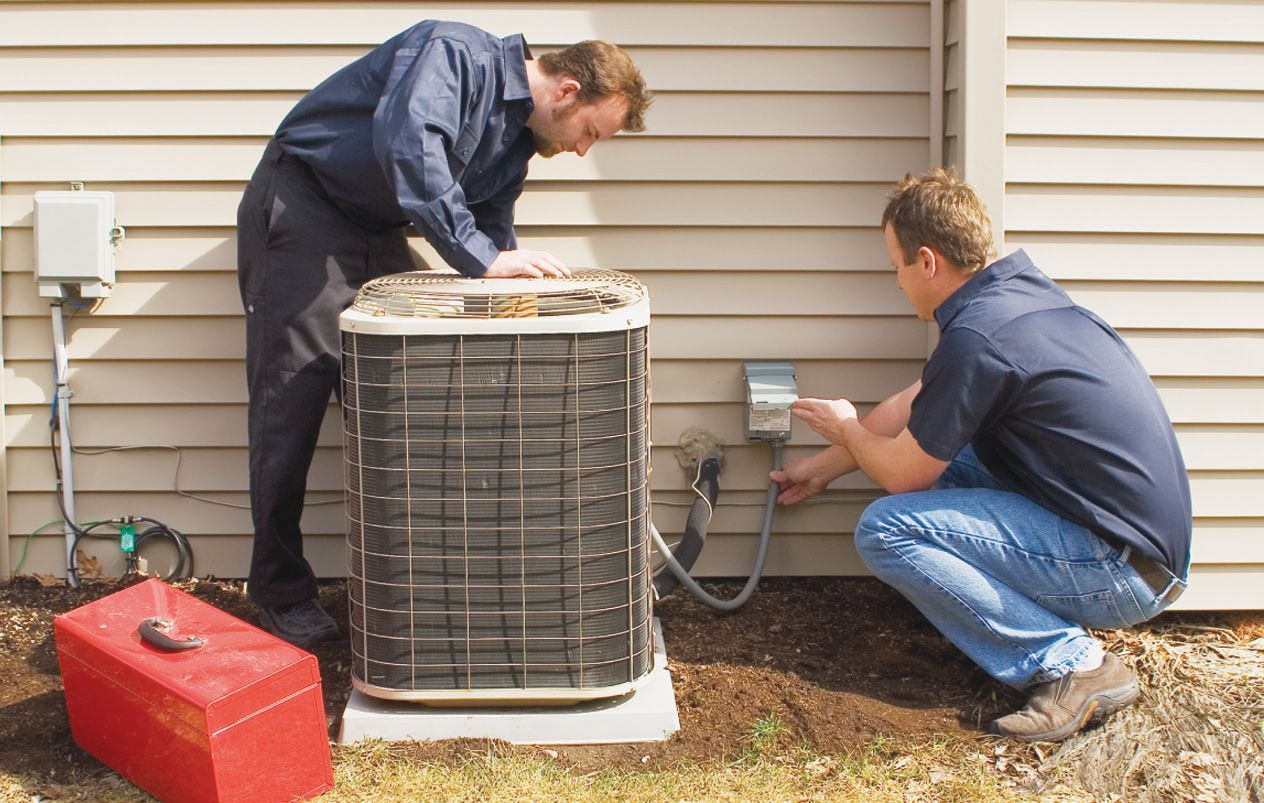
Electricians can work alongside HVAC professionals when electrical service is needed for mechanical equipment. This coordinated approach can make troubleshooting more efficient and help businesses identify whether a problem originates with the equipment itself, its electrical supply, or the interaction between the two. Professional installation and maintenance can also help ensure that new HVAC and refrigeration equipment is connected appropriately from the beginning.
Maintaining a Safer Commercial Environment
Addressing Electrical Problems Promptly
Commercial electrical problems should not be ignored simply because equipment continues to operate. Flickering lights, warm outlets, burning odors, repeated breaker trips, damaged wiring, and unusual sounds can indicate conditions that require professional evaluation. Employees should not be expected to diagnose or repair potentially hazardous electrical components without appropriate training and qualifications.
Local electricians can assess reported concerns, determine the source of the problem, and recommend appropriate corrective work. Prompt service is especially important for businesses that operate around the clock or depend on critical equipment. Having access to emergency electrical service can help address urgent failures outside standard business hours and reduce the amount of time a business must operate with compromised equipment or systems.
Planning for Electrical Upgrades
Businesses change over time, and electrical systems may need to accommodate new equipment, renovations, additional workspaces, or increased operational demands. An electrical system that once provided adequate capacity may not be suitable after significant changes to a property. Electricians can evaluate the existing infrastructure before new equipment is installed and help determine whether additional circuits, upgraded panels, new wiring, or other modifications are necessary.
Planning electrical work before an installation can reduce the likelihood of last-minute complications and help businesses avoid placing excessive demands on existing components. Professional planning is particularly valuable when adding commercial refrigeration, HVAC equipment, kitchen appliances, production machinery, or other high-demand systems.
Establishing Preventive Maintenance
Preventive electrical maintenance allows businesses to identify developing concerns before they result in significant interruptions. Scheduled inspections can include evaluating electrical connections, panels, breakers, wiring, disconnects, and other components that support daily operations. Local electricians can also provide recommendations based on the age and condition of the property's electrical infrastructure, allowing business owners to prioritize repairs and future improvements.
Preventive service can be especially useful for facilities where electrical problems could affect refrigeration, climate control, inventory, production, or customer-facing operations. Establishing a maintenance routine also provides a practical way to keep track of recurring issues and address equipment concerns before they become more disruptive.
A safe commercial operation depends on more than keeping the lights on. Electrical systems must support the equipment, refrigeration, HVAC systems, and other infrastructure that businesses rely on every day. Professional inspections, appropriate circuit management, equipment support, timely repairs, and preventive maintenance can all contribute to more dependable commercial operations. Working with qualified electrical professionals also gives businesses an experienced resource for evaluating existing systems and planning electrical work as operational needs change.
Contact our Reynolds Electric Heating & Air Conditioning Service, LLC today to schedule professional electrical service for your commercial property!